can you be fat adapted and not in ketosis Fat adapted vs. ketosis [hint: they're not the same]
Starting a keto diet can be a bit overwhelming, especially when you’re trying to figure out what you can and can’t eat. But once you get into the swing of things, you might start wondering about the difference between being in ketosis and being fat-adapted. First of all, what even is ketosis? Ketosis is a metabolic state that occurs when your body is burning fat for fuel instead of carbohydrates. To achieve ketosis, you need to limit your carbohydrate intake to a very low amount, typically around 20-30 grams per day. This forces your body to start breaking down stored fat for energy, which creates ketones as a byproduct. Being in ketosis can have a number of benefits, including weight loss, improved mental clarity, and increased energy. However, it can also have some downsides, such as the “keto flu” that some people experience when first starting out. Now, on to being fat-adapted. Being fat-adapted means that your body has become efficient at using fat for energy, even when you’re not in ketosis. This is achieved through long-term adherence to a low-carb, high-fat diet. So, what’s the difference between these two states? Essentially, being in ketosis is a short-term metabolic state that requires strict adherence to a very low-carb diet. Being fat-adapted is a long-term metabolic adaptation that allows you to be more flexible with your carb intake while still using fat for energy. So, how can you tell if you’re fat-adapted? While some people use ketone meters to track their ketone levels, it’s not necessary. Here are five signs that you’re fat-adapted: 1. You have stable energy levels throughout the day and don’t experience crashes. 2. You don’t feel hungry all the time and can go longer periods of time between meals. 3. You don’t have cravings for sugary or carb-heavy foods. 4. You can exercise without feeling tired or sluggish. 5. You don’t experience brain fog or difficulty concentrating. If you’re still new to the keto diet, don’t worry too much about whether or not you’re in ketosis or fat-adapted just yet. Focus on sticking to a low-carb, high-fat diet and the rest will fall into place over time. In conclusion, being in ketosis and being fat-adapted are two different things. Ketosis is a short-term metabolic state that requires strict adherence to a very low-carb diet, while being fat-adapted is a long-term metabolic adaptation that allows you to be more flexible with your carb intake while still using fat for energy. If you’re new to the keto diet, don’t stress about whether you’re in ketosis or not. Just focus on sticking to a low-carb, high-fat diet and let your body do its thing.
If you are searching about 5 Signs You’re Fat-Adapted (No Ketone Meter Required) - Perfect Keto you’ve came to the right place. We have 5 Pics about 5 Signs You’re Fat-Adapted (No Ketone Meter Required) - Perfect Keto like Ketosis vs Fat-Adapted, What’s the difference?, Ketosis Diet in 2021 | Diät, Hörbuch and also Fat Adapted VS. Ketosis [Hint: They’re Not The Same] - The Art Of Keto. Here you go:
5 Signs You’re Fat-Adapted (No Ketone Meter Required) - Perfect Keto
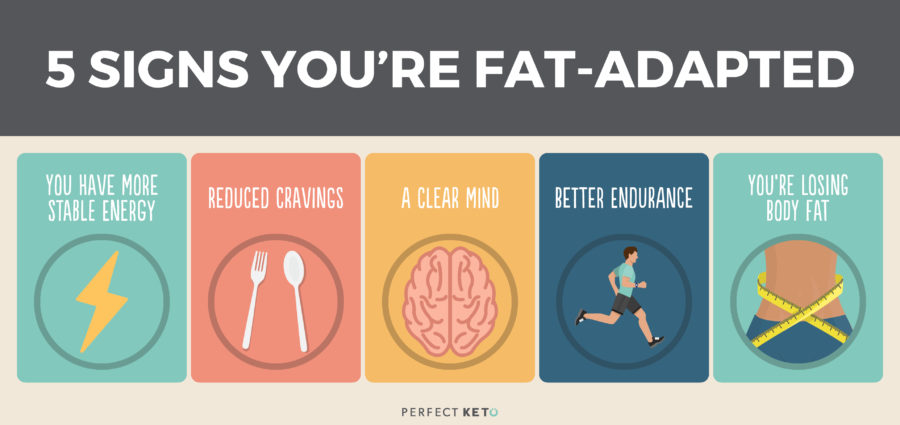 perfectketo.comfat adapted signs ketosis re keto adaptation if test ketones tell ketone meter required distinct measure strips testing since simple
Ketosis Diet In 2021 | Diät, Hörbuch
 www.pinterest.comKetosis Vs Fat-Adapted, What’s The Difference?
 lowcarbalpha.comadapted ketosis dicken carolyn
Fat Adapted VS. Ketosis [Hint: They’re Not The Same] - The Art Of Keto
![Fat Adapted VS. Ketosis [Hint: They’re Not The Same] - The Art Of Keto](https://www.theartofketo.com/wp-content/uploads/2020/02/urine-test-strips-ketosis-but-not-fat-adapted.jpg) www.theartofketo.comadapted fat ketosis urine they ketones measure decrease via their
www.theartofketo.comadapted fat ketosis urine they ketones measure decrease via their
Are You In Ketosis Or Fat Adapted Yet? If So, What Should You Do Next
 www.youtube.comadapted fat yet
Are you in ketosis or fat adapted yet? if so, what should you do next. Ketosis vs fat-adapted, what’s the difference?. Adapted fat ketosis urine they ketones measure decrease via their